Building Inclusive Futures in Tribal Palghar Community Based Inclusive Development (CBID) – Disability Inclusion Project 2025–26
In the remote tribal villages of Jawhar and Mokhada in Palghar District, disability often remains invisible — hidden behind poverty, lack of awareness, social stigma, and limited access to healthcare and government services. For many families, obtaining a disability certificate, opening a bank account, accessing a pension, or even reaching a hospital becomes an overwhelming challenge.
With a strong commitment to dignity, inclusion, and equal opportunity, Naraindas Morbai Budhrani Trust (NMBT) continued its transformative Community Based Inclusive Development (CBID) initiative during 2025–26, reaching some of the most underserved and inaccessible communities of Palghar District.
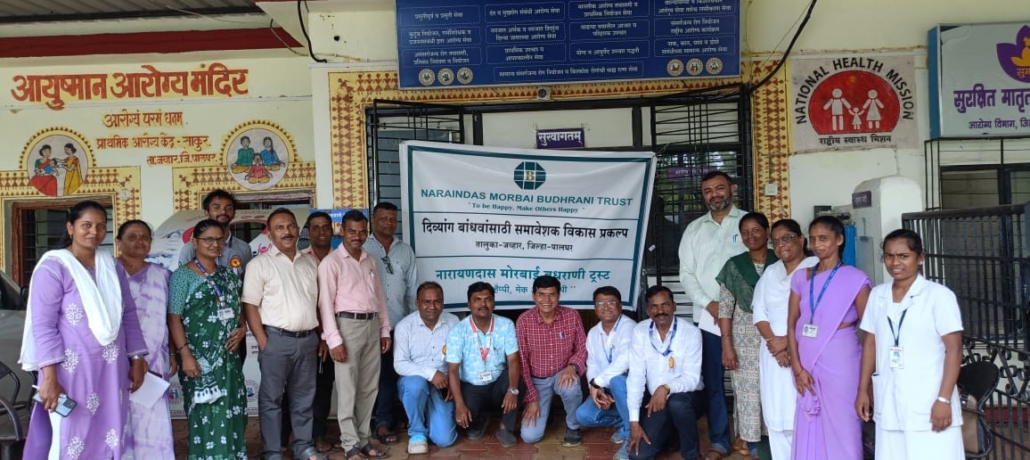
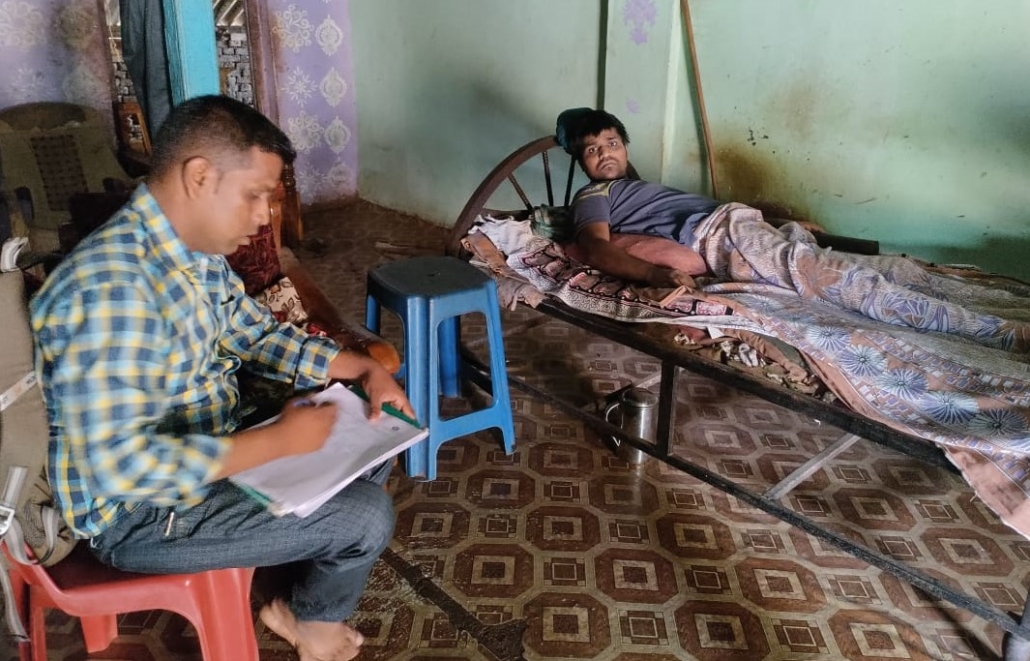
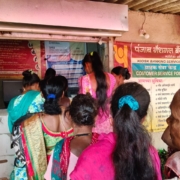
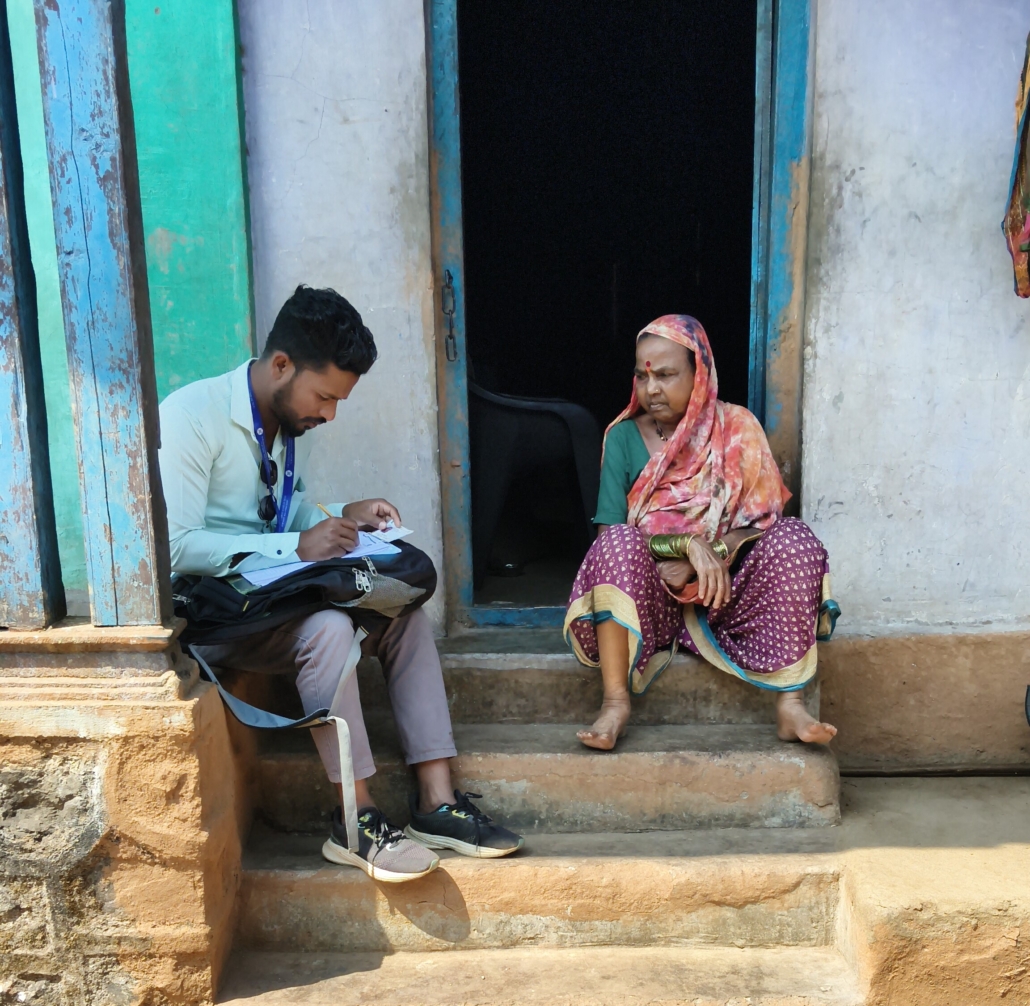
Through extensive village-level outreach and door-to-door surveys, the project successfully identified 2,375 potential persons with disabilities across Jawhar Block. This large-scale community mapping exercise became the foundation for connecting individuals and families with critical healthcare, certification, rehabilitation, education, and social protection services.
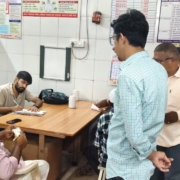
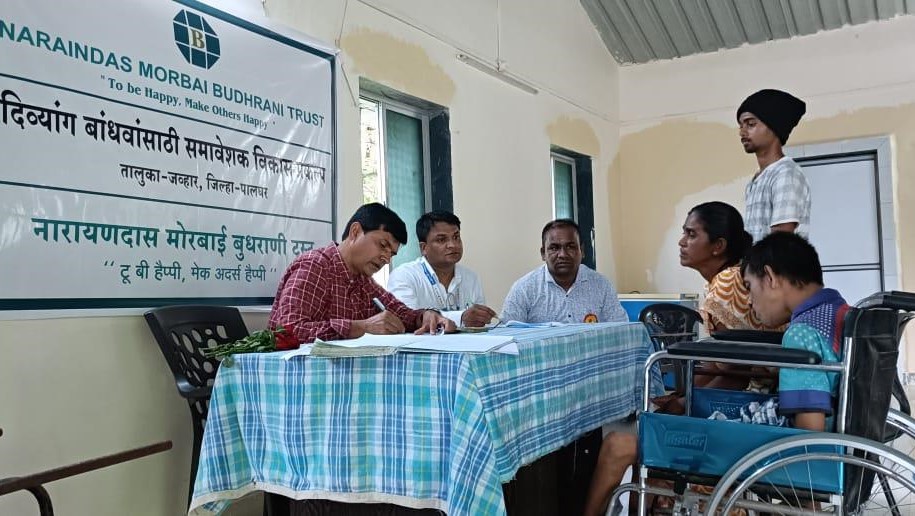
Working closely with Sub-District Hospital Jawhar, Panchayat Samitis, Gram Panchayats, ASHA workers, Anganwadi workers, and community volunteers, NMBT facilitated disability assessment and certification services for persons with intellectual, physical, visual, hearing, and multiple disabilities. During the year, approximately 86 persons with intellectual and mental disabilities received disability certification, enabling them to access government schemes, educational support, and rehabilitation services.
The project also focused on restoring dignity through access to identity and financial inclusion. NMBT supported:
- 530 Aadhaar transfers and updates
- 418 bank account openings and KYC activations
- Government welfare linkages for eligible beneficiaries
- Assistance under schemes such as the Sanjay Gandhi Niradhar Yojana
To improve independence and mobility, the Trust distributed assistive devices to 99 persons with disabilities, including wheelchairs, hearing aids, blind sticks, and mobility support equipment. For many beneficiaries, these were not merely devices — they were tools of freedom, confidence, and participation in everyday life.
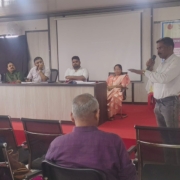
Recognizing that inclusive development begins at the village level, NMBT organized orientation meetings with representatives from more than 50 Gram Panchayats, encouraging the inclusion of disability welfare in Gram Panchayat Development Plans (GPDP) and advocating for dedicated resource allocation for persons with disabilities over the next five years.
The initiative also addressed the growing need for mental health support in rural communities. Special assessment camps organized in villages such as Sakur enabled persons with mental illness and intellectual disabilities to begin the process of certification, treatment, and rehabilitation while helping families overcome fear, stigma, and social isolation.
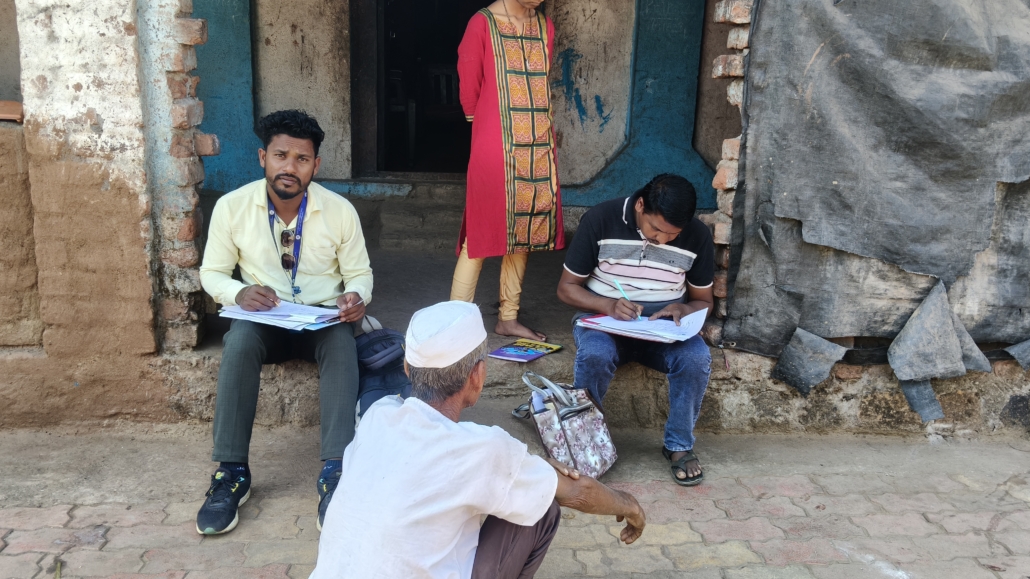
More than a service delivery program, the CBID project has become a movement toward inclusion, accessibility, and social justice. It has empowered families, strengthened community systems, and brought persons with disabilities closer to their rightful place in society — not as beneficiaries, but as equal citizens with aspirations, rights, and potential.
Guided by the vision of “To Be Happy, Make Others Happy,” Naraindas Morbai Budhrani Trust remains committed to ensuring that no individual is left behind because of disability, geography, or poverty.
Because inclusion is not charity — it is dignity, equality, and justice.